In today’s digital age, mastering digital marketing is essential for businesses that want to remain competitive and reach their target audience effectively. But how do you approach digital marketing in a way that delivers tangible results? Here’s a guide to help you understand the process and best practices for successful digital marketing.
At its core, digital marketing is about using online platforms and technologies to promote products, services, or brands. This includes search engines, social media, email, websites, and more. The key to success lies in leveraging the right channels, creating valuable content, and continually optimizing your efforts.
To start, follow these basic steps:
-
Define Your Goals: What do you want to achieve? Whether it’s increasing sales, generating leads, or boosting brand awareness, your goals will shape your strategy.
-
Identify Your Target Audience: Understanding your audience’s preferences, behaviors, and pain points is crucial. Use tools like Google Analytics and social media insights to learn more about your ideal customer.
-
Choose the Right Digital Channels: Digital marketing encompasses a wide range of strategies and platforms. Some of the most popular include:
-
SEO (Search Engine Optimization): Optimizing your website to appear in search engine results.
-
PPC (Pay-Per-Click): Running paid ads that target specific keywords.
-
Content Marketing: Creating blog posts, videos, infographics, and other content to engage your audience.
-
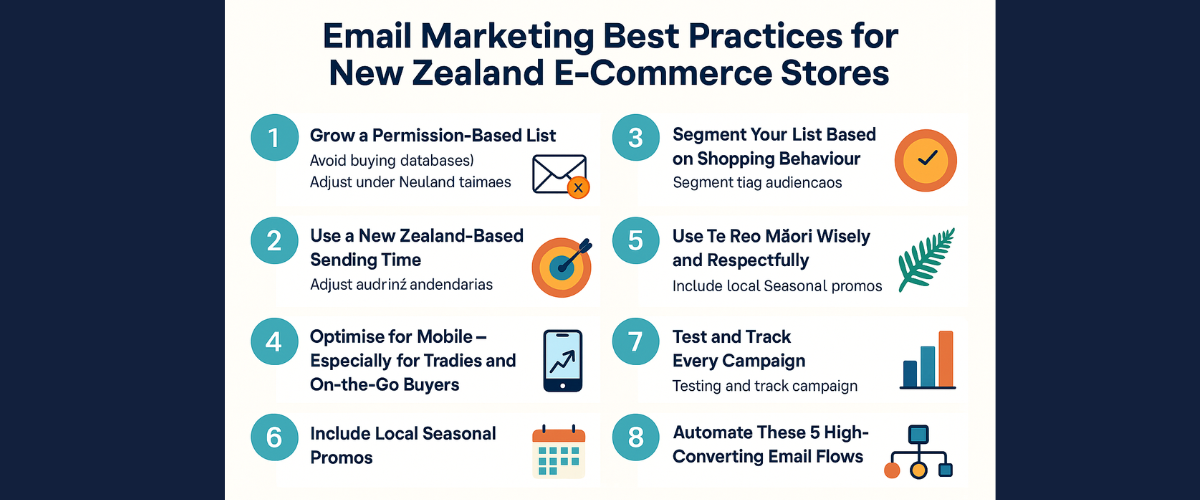
Email Marketing: Sending newsletters, promotions, and product updates to nurture leads.
-
Social Media Marketing: Promoting your brand and engaging with your audience on platforms like Facebook, Instagram, LinkedIn, and Twitter.
-
-
Create a Content Strategy: Content is central to any digital marketing campaign. Develop content that resonates with your audience’s needs and interests.
-
Track and Measure Performance: Use analytics tools to measure your campaign’s effectiveness. Adjust your strategy based on metrics like traffic, engagement, and conversions.
How to Do Digital Marketing for Real Estate
The real estate industry can greatly benefit from digital marketing, as it allows agents, brokers, and property developers to reach a wider audience and showcase properties more effectively. Here’s how to tailor your digital marketing strategy specifically for real estate:
-
Optimize Your Website: Your website is often the first place potential buyers or sellers will visit. Ensure it’s user-friendly, mobile-optimized, and easy to navigate. Include essential features like property search filters, listings, and contact forms.
-
Leverage Social Media: Social media platforms like Facebook and Instagram are perfect for showcasing properties with high-quality photos, videos, and virtual tours. Use targeted ads to reach potential buyers based on demographics, location, and interests.
-
Create Virtual Tours: Virtual tours and 360-degree videos can give potential buyers a sense of the property without needing to visit in person. These tools can be a great way to engage remote buyers.
-
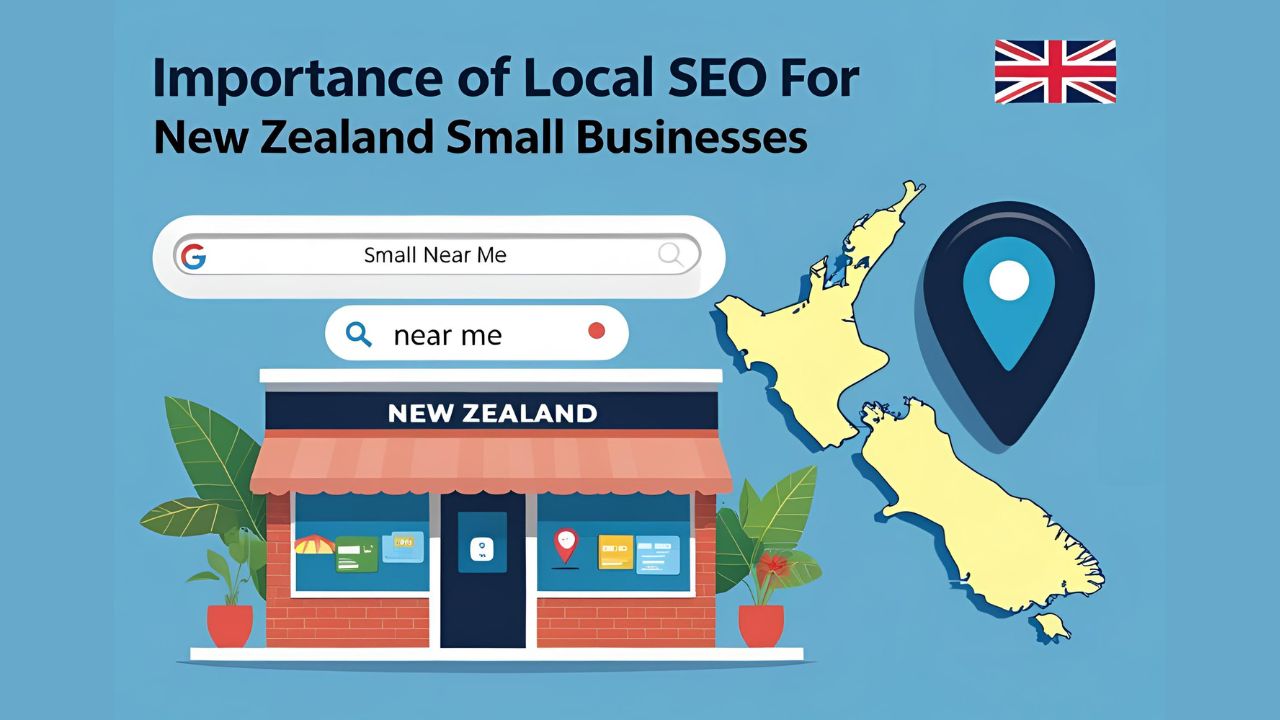
Invest in Local SEO: Since real estate is often a location-based service, optimizing your website for local search terms is crucial. Use Google My Business to help your business show up in local searches.
-
Email Marketing Campaigns: Sending personalized emails to your contacts with property updates, open houses, and market trends can help nurture relationships with leads.
-
Paid Advertising (PPC): Platforms like Google Ads and Facebook Ads allow you to target specific buyer profiles and areas, ensuring your property ads reach the right audience.
How to Master Digital Marketing
Mastering digital marketing requires continuous learning, testing, and adapting to new trends. Here’s a roadmap to becoming an expert in digital marketing:
-
Start with the Basics: Familiarize yourself with core concepts like SEO, PPC, content marketing, email marketing, and social media marketing. There are many online courses and resources available to get started.
-
Stay Updated: Digital marketing is constantly evolving with new tools, algorithms, and platforms. Subscribe to industry blogs, attend webinars, and follow influencers to stay on top of trends.
-
Practice, Test, and Optimize: The best way to master digital marketing is by doing. Start small with test campaigns, track results, and continuously refine your strategies.
-
Use Analytics: Mastering analytics tools like Google Analytics, social media insights, and email performance metrics is essential to understanding the effectiveness of your campaigns.
-
Work on Real Projects: Practical experience is key. Work on personal projects, internships, or freelance gigs to get hands-on experience.
How to Write a Digital Marketing Plan
A digital marketing plan serves as a roadmap for your marketing activities and helps ensure that your efforts align with your business goals. Here’s how to create a comprehensive plan:
-
Define Your Business Goals: Whether you’re looking to increase brand awareness, generate leads, or boost sales, your digital marketing plan should be aligned with your overall business objectives.
-
Understand Your Audience: Research your target audience’s needs, preferences, and behaviors. This will help you create content and campaigns that resonate with them.
-
Select Your Digital Marketing Channels: Based on your audience and goals, decide which digital channels will work best. For example, if your audience is active on Instagram, social media marketing may be a priority.
-
Set a Budget: Allocate your budget to different digital marketing activities such as paid advertising, content creation, and software tools.
-
Create a Content Strategy: Plan out what content you’ll produce, how often, and on which platforms. Consider blog posts, videos, infographics, and social media content.
-
Measure and Analyze: Define the KPIs (Key Performance Indicators) you’ll use to track your progress, such as website traffic, conversion rates, and engagement.
Is Digital Marketing Better Than Traditional Marketing?
In today’s digital landscape, digital marketing often outweighs traditional marketing methods, but that doesn’t mean traditional marketing doesn’t still have a place. Here’s a comparison:
-
Reach: Digital marketing allows businesses to reach a global audience through platforms like social media, search engines, and email. Traditional marketing (e.g., print ads, TV, radio) is often limited to a local audience.
-
Cost: Digital marketing tends to be more cost-effective, especially for small businesses. Traditional marketing often requires a larger budget for TV commercials, print ads, and billboards.
-
Measurability: Digital marketing provides the ability to track and measure campaigns in real-time. You can see how many clicks, impressions, and conversions your campaigns generate. Traditional marketing doesn’t offer the same level of insight.
-
Engagement: Digital marketing allows for more engagement through social media, comments, and emails, whereas traditional marketing is more of a one-way communication channel.
-
Flexibility: Digital marketing campaigns can be easily adjusted based on performance. In contrast, traditional marketing often requires longer lead times and higher costs to change.
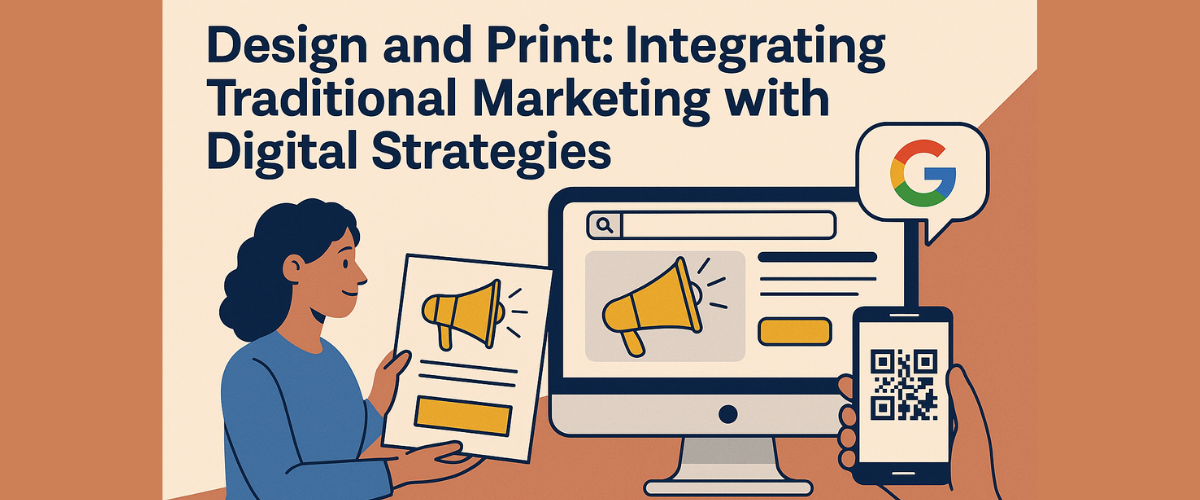
Overall, while digital marketing offers numerous advantages, combining it with traditional marketing can provide a comprehensive approach for reaching a broader audience.
Must-Have Tools for Digital Marketing
To run successful digital marketing campaigns, having the right tools is essential. Here are some must-have tools for marketers:
-
Google Analytics: This free tool helps you track website traffic, user behavior, and conversion rates, providing essential data for optimization.
-
SEMrush: A powerful tool for SEO and PPC research, SEMrush helps you track keyword performance, analyze competitors, and optimize your digital marketing efforts.
-
MailChimp: This popular email marketing tool allows you to create and automate email campaigns, manage contacts, and analyze results.
-
Hootsuite: Manage all your social media accounts in one place. Hootsuite helps you schedule posts, monitor engagement, and analyze your social media campaigns.
-
Canva: Canva is a design tool that allows you to create visually appealing graphics, infographics, and social media posts, even if you don’t have a design background.
-
Google Ads: For PPC advertising, Google Ads is the go-to platform for running paid search ads. It also provides detailed insights into ad performance.
-
Buffer: Similar to Hootsuite, Buffer allows you to schedule and manage social media posts across various platforms, track performance, and engage with your audience.
Conclusion
Digital marketing offers a range of tools and strategies to help businesses thrive in the modern landscape. Whether you’re in real estate, looking to master digital marketing, or crafting a digital marketing plan, understanding the essentials of this field is key to your success. By leveraging the right channels, using must-have tools, and continuously refining your strategies, you can position yourself or your business for long-term growth and success.